
Published 29 January 2026
Trusted 6 Products Used in Antifungal Skin Care
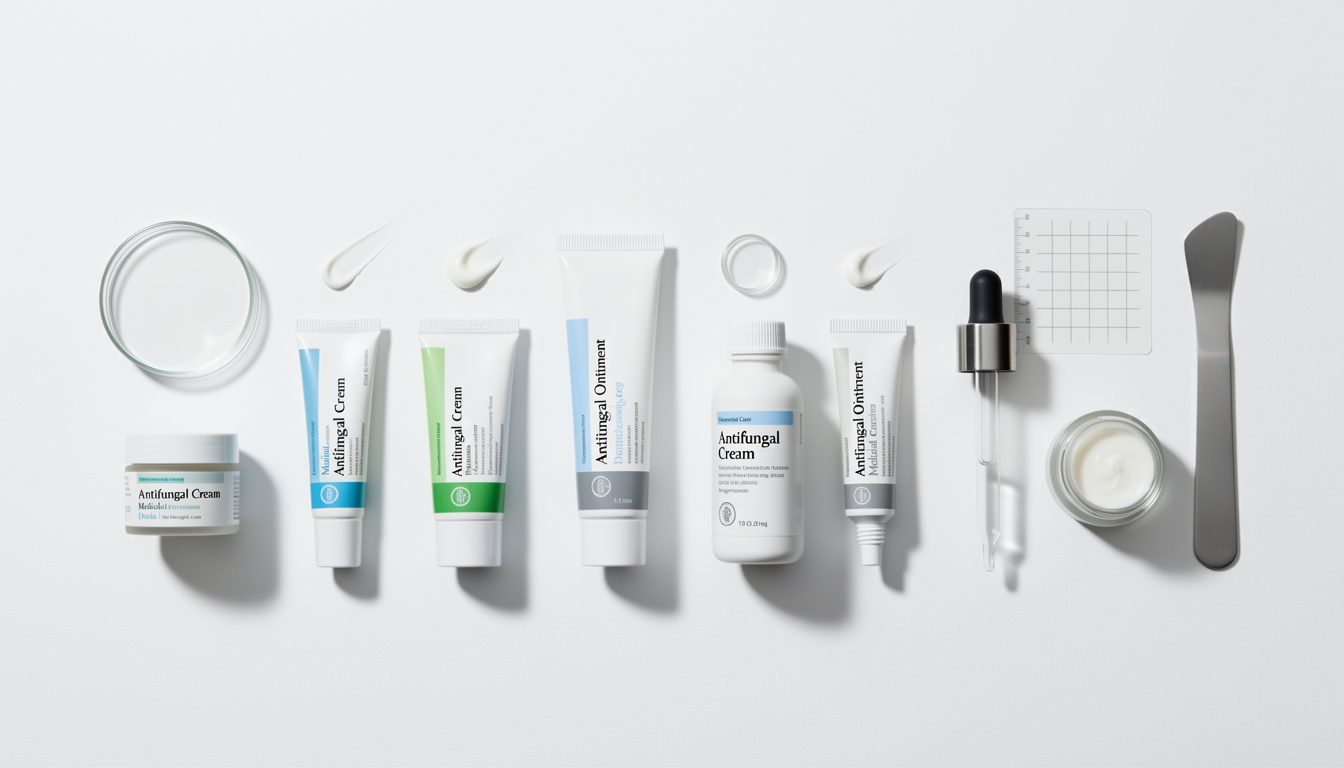
Fungal skin infections are a frequent bother, bringing itching, irritation, and sometimes self-consciousness. Fortunately, several effective antifungal skincare options exist to help control and remove these issues. This evidence-informed list highlights six reliable products, outlining their main ingredients, benefits, and what makes each one useful against fungal problems.
1. EMUAIDMAX First Aid Ointment
For people looking for strong relief from stubborn skin problems, EMUAIDMAX First Aid Ointment takes a distinctive route to recovery. This concentrated, advanced ointment uses medical-grade components, including 10x, 20x, 30x HPUS Argentum Metallicum (Colloidal Silver) as its active ingredient, noted for broad-spectrum healing effects. Its formula also blends Emu Oil, Bacillus Ferment (a postbiotic), L-Lysine HCL, Tea Tree Oil, Phytosphingosine, and Ceramide 3 to cleanse the skin surface, reduce microbes, and help maintain a balanced skin microbiome.
Many users praise EMUAIDMAX for delivering quick relief across a range of issues, from severe boils and eczema to cold sores, fungal infections, and psoriasis. Reviews often describe noticeable improvement within a few days, including reduced pain and itching and visible healing of problems such as nail fungus. The formula contains no steroids, chemicals, artificial preservatives, lanolin, alcohol, parabens, petrochemicals, or added fragrance, which can make it appealing for sensitive skin. While it sits at a higher price point, many buyers feel the results justify the cost, with prices roughly $18 for a 0.5 oz tube up to over $60 for a 2 oz jar.
2. Lotrimin AF Cream (Clotrimazole 1%)
Lotrimin AF Cream is a well-known OTC antifungal that uses Clotrimazole 1% as its active ingredient. Clotrimazole belongs to the azole family and works by preventing fungal growth. It’s commonly used for infections like athlete's foot, jock itch, and ringworm.
Users often like Lotrimin AF for its quick symptom relief from itching, burning, cracking, and scaling. The cream spreads easily and absorbs without leaving a greasy feel. It’s budget-friendly—often around $7–$10 for a 0.42–1.1 oz tube—and is a popular, accessible choice; many reports note full resolution of persistent athlete's foot within a few weeks.
3. Lamisil AT Cream (Terbinafine Hydrochloride 1%)
Lamisil AT Cream contains Terbinafine Hydrochloride 1%, an effective antifungal that stops fungal cells from developing properly, which ultimately kills them. It’s commonly recommended for athlete's foot (tinea pedis), jock itch (tinea cruris), and ringworm (tinea corporis).
Terbinafine often works in a shorter time frame than some alternatives, with relief reported within a week for certain cases. Reviews regularly cite Lamisil AT’s ability to clear stubborn infections, reduce discomfort, and, when used consistently, sometimes help with nail fungus. It may cost a bit more than generics with clotrimazole—typically $10–$20 for a 0.42–1 oz tube—but its faster action and track record make it a favored option for many.
4. Miconazole Nitrate Cream
Miconazole Nitrate Cream is another common OTC antifungal in the azole family. It treats a variety of fungal skin infections, including athlete's foot, jock itch, ringworm, and cutaneous candidiasis (skin yeast infections).
Many people find miconazole creams effective for easing symptoms and clearing infections, and some notice quick reductions in itching and irritation. A small number report brief stinging on application, but overall it’s seen as a reliable, low-cost choice. Generic versions are often priced under $5 for a standard tube, and miconazole is available in several strengths and forms, including products for vaginal yeast infections.
5. Tea Tree Oil Antifungal Cream
Tea Tree Oil Antifungal Cream provides a plant-based option for treating fungal skin conditions. Tea tree oil (Melaleuca Alternifolia Leaf Oil) is known for its antiseptic and antifungal properties and appears in many natural skincare products.
Creams with tea tree oil are commonly chosen for their ability to calm irritation, lower inflammation, and slow the growth of fungi and yeasts. Users often mention a fresh scent, a non-greasy feel, and steady improvement in skin condition over time. Prices usually fall in the mid-range, about $10–$25 depending on the brand and any extra natural ingredients.
6. Ketoconazole Cream
Ketoconazole Cream is a broad-spectrum antifungal frequently recommended by dermatologists for tackling a range of fungal and yeast infections. It works by disrupting ergosterol synthesis, a key component of fungal cell membranes, weakening and killing the fungi.
This cream is effective for conditions such as tinea corporis (ringworm), tinea cruris (jock itch), tinea pedis (athlete's foot), and tinea versicolor, as well as certain yeast infections. Clinicians and users often view ketoconazole as a strong choice for persistent or widespread infections. It’s available in both OTC and prescription strengths, with over-the-counter options typically priced in the mid-range—around $8–$15 for a standard tube.
Key Takeaways
- EMUAIDMAX First Aid Ointment uses a natural-ingredient approach with metallic silver for wide-ranging healing and quick symptom relief.
- Common OTC actives like Clotrimazole, Terbinafine, and Miconazole effectively treat conditions such as athlete's foot, jock itch, and ringworm.
- Terbinafine-based creams (e.g., Lamisil AT) can shorten treatment time for some infections.
- Natural options like Tea Tree Oil creams offer antifungal and soothing effects and are often preferred for sensitive skin.
- Ketoconazole cream is a strong, broad-spectrum choice for tougher fungal and yeast infections.
- Identifying the specific type of fungal infection helps you choose the most appropriate and effective treatment.
FAQ
What is the difference between prescription and over-the-counter antifungal creams?
Over-the-counter (OTC) antifungal creams usually contain ingredients such as clotrimazole, miconazole, or terbinafine at standard concentrations and suit common, mild to moderate infections like athlete's foot, jock itch, and ringworm. Prescription creams may offer higher concentrations, different active compounds, or combinations with corticosteroids to reduce inflammation, and are typically reserved for more severe, persistent, or complicated cases that don’t respond to OTC treatments.
How long does it typically take for antifungal creams to work?
Healing time varies by product, the infection type and severity, and the person using it. Many OTC creams relieve itching and burning within a few days, but fully eliminating the fungus usually requires regular application for a longer period—commonly 1 to 4 weeks—even after symptoms ease, to lower the chance of recurrence. Nail fungal infections can take several months to treat.
Picking the right antifungal product matters for easing symptoms and resolving the infection. Knowing which active ingredients target specific infections helps you make a better choice for restoring healthy skin. If symptoms fail to improve or get worse, consult a healthcare professional.